
Indian Knowledge System

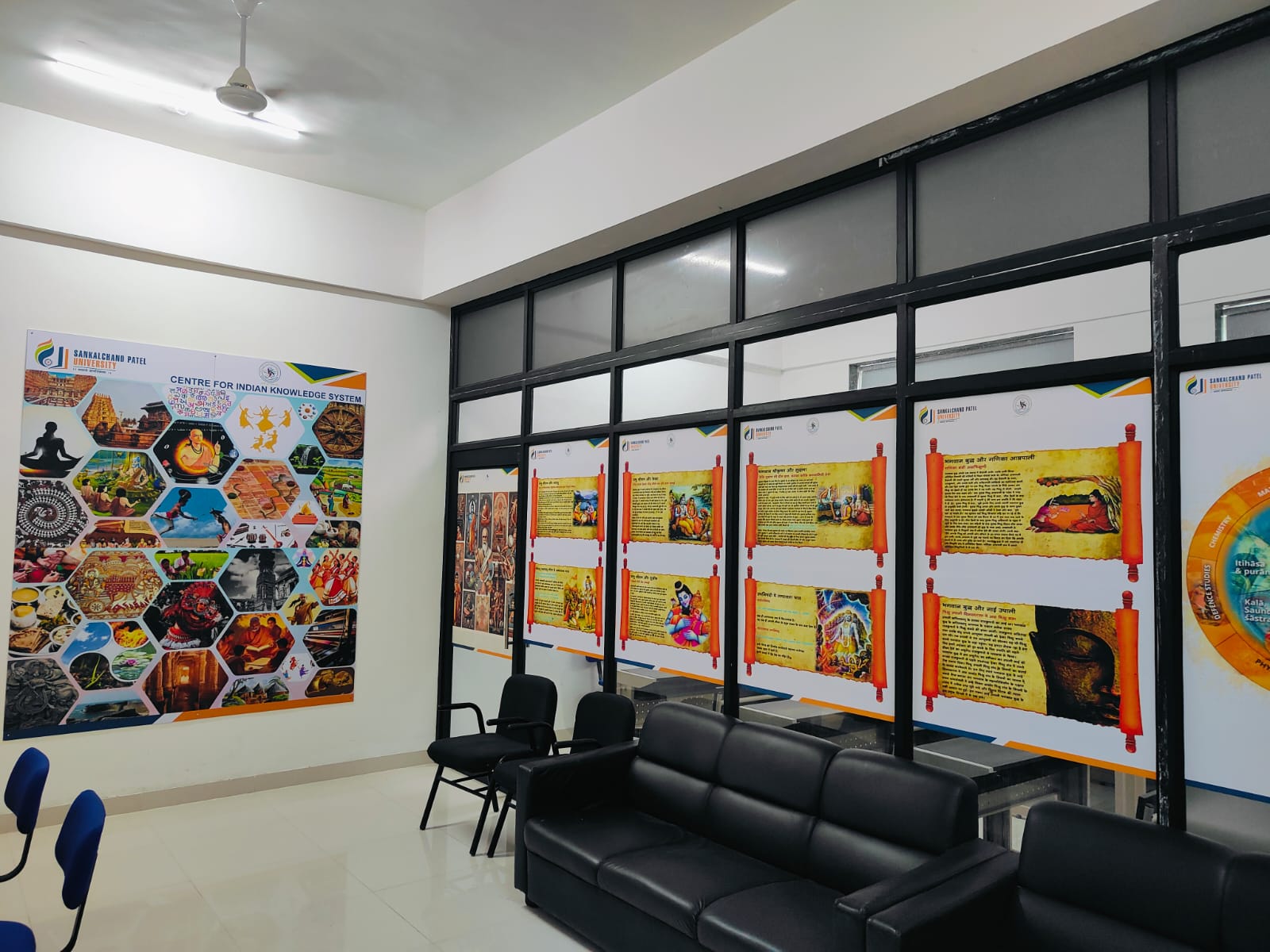
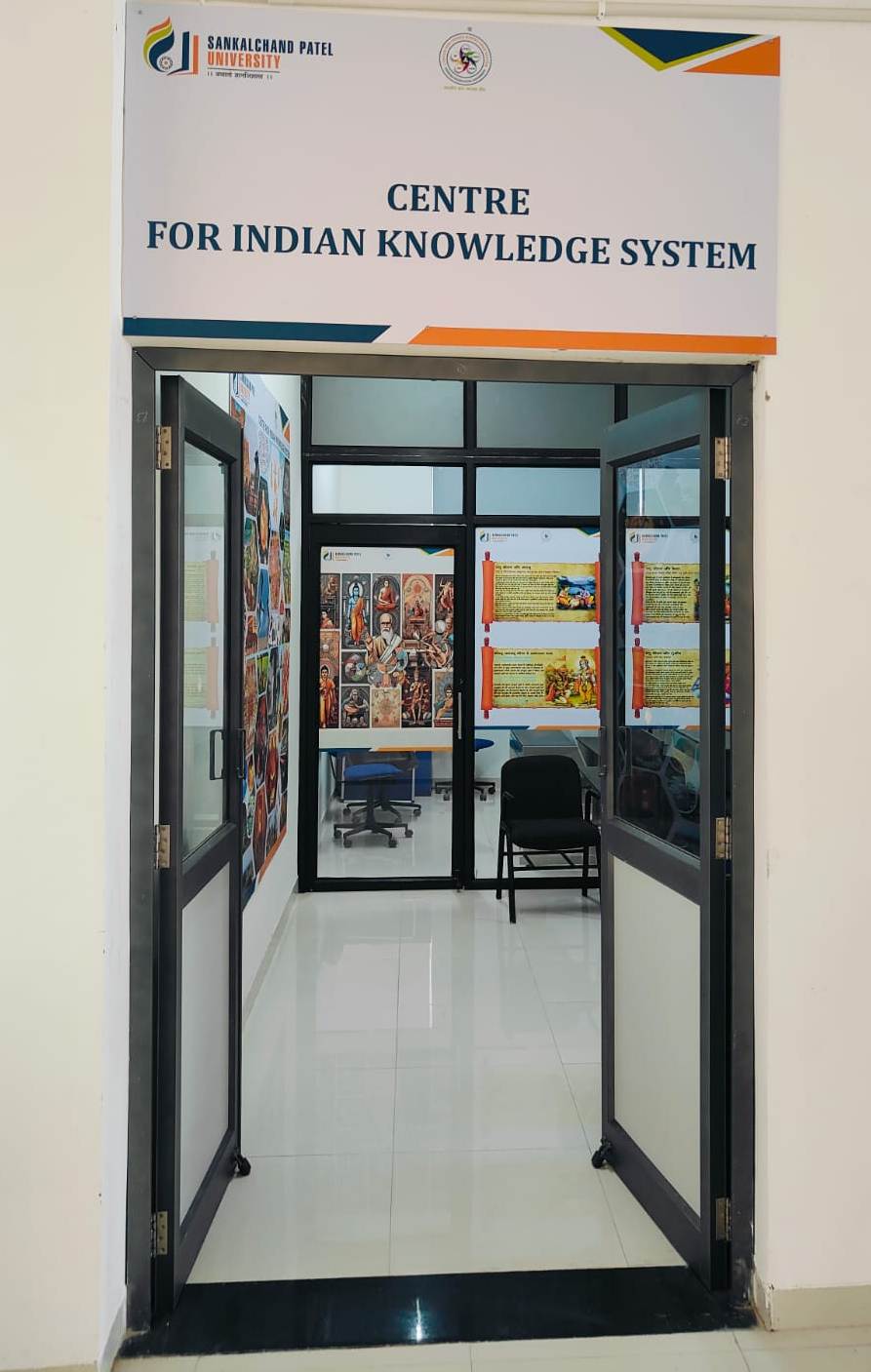
Centre for the Indian Knowledge System (IKS)

Preamble:
The Indian Knowledge System (IKS) represents a rich and diverse legacy of knowledge, philosophies, practices, and wisdom developed over millennia in India. This includes fields such as Ayurveda, Vedic sciences, Sanskrit literature, classical arts, mathematics, astronomy, and social sciences, among others. The resurgence and preservation of this heritage, along with its modern applications, are crucial in an age of rapid global changes. Sankalchand Patel University, with its commitment to academic excellence and societal contribution, recognizes the need for fostering and preserving IKS.

In this regard, the university proposes the establishing of the Centre for the Indian Knowledge System (Centre for IKS), in the line of National Educational Policy 2020 for the purpose of researching, promoting, and integrating the profound insights of Indian knowledge traditions into the contemporary academic and global context and fostering holistic learning environment.
Vision

1. Provide holistic education by integrating modern science with ancient Indian philosophies for overall development.
2. Revitalize and promote Indian knowledge, heritage, and interdisciplinary practices to address global challenges.
3. Empower individuals with education that instills pride in Indian traditions while fostering innovation.

Mission

1. Decolonize knowledge by prioritizing and innovating upon India’s intellectual traditions.
2. Advance research and community engagement to make Indian Knowledge Systems relevant and beneficial.
3. Promote sustainability and critical thinking through the integration of traditional wisdom with modern solutions.

I. Curriculum Integration:

  1. Collaborate with academic departments to integrate IKS content across disciplines and offer specialized IKS courses and certifications.
  2. Organize workshops and conferences on the relevance of IKS in modern education and research.
  3. Promote IKS through cultural outreach programs in schools and the public.

II. Research and Documentation:

  1. Conduct interdisciplinary research blending IKS with modern advancements, involving faculty, students, and experts.
  2. Document and digitize traditional texts, publishing findings on IKS.
  3. Foster collaborations with universities and research organizations focused on IKS

III. Cultural Preservation and Promotion:

  1. Support the preservation of oral traditions, folk arts, and community wisdom.
  2. Promote cultural exchanges through exhibitions, performances, Outreach activities, and festivals highlighting IKS.
  3. Organize yoga events and workshops to showcase its traditional roots and benefits for holistic well-being.

IV. Universal Human Values (UHV) & Capacity Building

  1. Embed UHV principles from Indian philosophy in educational curricula to support holistic development.
  2. Foster capacity building by integrating traditional wisdom with modern practices for sustainable development.
  3. Facilitate dialogues among scholars, policymakers, and practitioners for effective IKS integration into governance and society.